Mobile Tiny Home Delivers Full-Featured Kitchen in 204 Square Feet
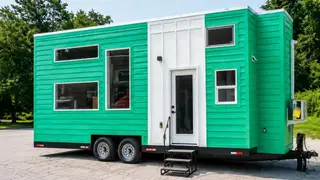
Dragon Tiny Homes' Vista 24' is a mobile dwelling occupying just 204 square feet that prioritizes livability through thoughtful space planning, particularly in its surprisingly comprehensive kitchen featuring an oven, induction cooktop, full refrigerator, washer-dryer unit, and generous cabinetry. The trailer-mounted structure includes two sleeping lofts, a functional bathroom, and a living area with entertainment capabilities designed around flexibility and genuine daily use rather than minimalist compromise. Priced at $66,750 with nationwide delivery available, the unit demonstrates that compact living can accommodate modern appliances and amenities without sacrifice.
The Vista 24' represents a deliberate engineering approach to spatial efficiency, mounting on a double-axle trailer that can be towed by heavy-duty pickup trucks. This mobility dimension distinguishes it from traditional housing, allowing owners to relocate the structure rather than remain fixed to a single property or rental agreement. The design integrates practical storage solutions throughout—notably within the staircase structure itself—suggesting an emphasis on usable floor space rather than visual minimalism.
The appliance suite integrated into the compact kitchen—including full-size oven, refrigerator, washer-dryer combo, and induction cooking—indicates a shift in tiny home manufacturing toward genuine daily-use functionality. At the $66,750 price point with nationwide delivery logistics available, the product positions itself within a specific market segment targeting those seeking alternative housing arrangements rather than downsizing as a temporary measure.
This product development may influence consumer expectations within the compact housing sector by demonstrating technical feasibility for incorporating conventional appliances into severely space-constrained environments. The combination of mobility, modern amenities, and moderate pricing could appeal to remote workers, individuals avoiding long-term real estate commitments, or those experiencing housing cost pressures—potentially affecting demand patterns in both RV manufacturing and alternative housing markets. However, adoption may remain limited by infrastructure challenges, zoning restrictions, and lifestyle preferences favoring traditional residential stability.