Exploring Detroit's Cultural Hub: A Guide to the MBAD African Bead Museum and Nearby Attractions
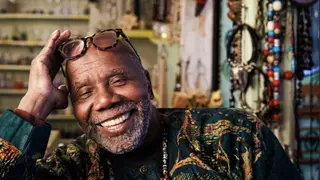
The MBAD African Bead Museum, founded by multidisciplinary artist Olayami Dabls in Detroit's NW Goldberg neighborhood, showcases large-scale African-centered art across a campus featuring galleries, murals, installations, and public sculptures. The museum complex includes distinctive works such as a 150-foot African Language Wall and Iron Teaching Rocks How to Rust, an installation made from reclaimed materials that examines African American history. Visitors can explore the grounds independently or join guided tours, with nearby Bishop Park offering additional recreational activities and seasonal entertainment.
The MBAD African Bead Museum represents a significant artistic undertaking that began in 1994 and has evolved into a comprehensive cultural destination. The facility features both indoor and outdoor components, with the African Language Wall serving as a particularly distinctive landmark at 150 feet in length. The museum's collection and installations draw from reclaimed and found materials, creating works that engage with historical narratives and artistic expression simultaneously.
Artist Olayami Dabls established the museum after building considerable experience in the cultural sector, having previously shaped programming at a major African American history institution over a 15-year period. His vision extends beyond the museum itself to encompass the broader neighborhood character, reflecting a philosophy that emphasizes community engagement and public accessibility to artistic and cultural experiences.
This story may influence travel decisions among visitors seeking culturally substantive destinations, potentially directing tourism revenue toward neighborhood revitalization efforts in Detroit's NW Goldberg area. The coverage could expand awareness of African-centered artistic practice and independent cultural institutions beyond major metropolitan museums. Additionally, highlighting these attractions may contribute to broader perceptions of Detroit's contemporary creative economy and cultural offerings, which could affect both visitor patterns and investment interest in underutilized urban neighborhoods.