Scalia's jurisprudential pivot: How a risky 1986 speech launched modern originalism
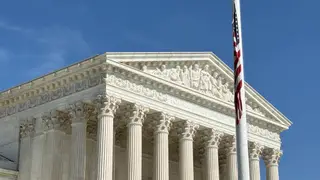
The article recounts Justice Antonin Scalia's pivotal 1986 keynote address where he distinguished originalism from Attorney General Ed Meese's preferred approach of original intent, arguing instead that judges should apply the original public meaning of legal texts. The speech, delivered the day after Scalia met with President Reagan during his Supreme Court confirmation process, represented a significant intellectual gamble by explicitly contradicting the sitting attorney general's judicial philosophy. This address set the foundation for Scalia's lasting influence in reviving textualism and originalism as dominant interpretive methodologies in American jurisprudence.
In the year preceding Scalia's speech, Attorney General Ed Meese had championed a judicial philosophy emphasizing the Framers' original intent across multiple public addresses. This approach had gained traction among conservative legal circles and was also supported by Robert Bork, who was simultaneously competing with Scalia for a Supreme Court seat. Scalia's counterargument centered on a crucial distinction: judges should look not to what the Constitution's drafters privately intended, but rather to how the public understood the text's meaning at ratification.
Scalia grounded this position in practical concerns about legislative history's unreliability and theoretical arguments about what the Framers themselves believed courts should do. He suggested that contemporary dictionaries better reflected public understanding than documents like the Federalist Papers, which had limited circulation among ordinary citizens. His willingness to make this intellectual case directly contradicted the sitting attorney general's preferred methodology at that attorney general's own conference.
This jurisprudential debate has had lasting consequences for American law. The interpretive methodology adopted by the Supreme Court influences how federal and state statutes are construed across countless cases affecting regulatory policy, individual rights, and governmental powers. The shift Scalia initiated toward originalism and textualism may shape judicial reasoning for decades, potentially affecting how courts approach everything from constitutional protections to statutory interpretation. How judges read legal texts ultimately affects citizens' legal remedies and the scope of government authority.