Chet Hanks and Eric André Clash at ComplexCon, Reigniting Heated Multi-Year Dispute
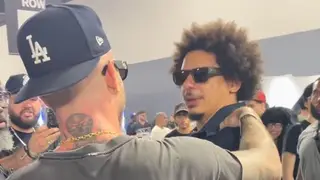
Chet Hanks and Eric André finally encountered each other in person at ComplexCon over the weekend, rekindling tensions stemming from a chaotic appearance on André's talk show three years earlier. According to Hanks' social media account, André claimed to have issues with Hanks' Jamaican accent and cultural mockery, though André had previously criticized Hanks' on-set behavior to media outlets. The confrontation escalated when security intervened, with André making a parting remark directed at Hanks' father as he departed.
The feud originated during Hanks' 2021 appearance on André's talk show, where Hanks performed various impressions aligned with the program's deliberately chaotic format. André later disputed the on-air narrative, claiming serious misconduct occurred behind the scenes, including dangerous motorcycle stunts and behavior he characterized as threatening to crew safety. Hanks rejected these allegations, arguing he had simply matched the show's established comedic tone and that his motorcycle performance was minor.
The dispute has centered on conflicting accounts of professionalism and intent. André's subsequent comments—including questioning Hanks' parentage—suggested deep personal offense, while Hanks attributed André's criticism to resentment over audience reception. The three-year gap between the original incident and their ComplexCon encounter demonstrates how unresolved public disagreements between entertainment figures can persist and resurface.
This incident may reflect broader cultural conversations about comedy boundaries, particularly regarding accent-based humor and cultural appropriation in entertainment. The confrontation illustrates how disputes between public figures can become extended narratives through social media amplification, potentially influencing audience perceptions of both individuals involved. For fans and industry observers, the encounter raises questions about accountability in comedy formats designed to push boundaries and whether on-air provocations warrant off-camera consequences.