GOP Candidates Adopt New Strategy on Health Care Messaging in 2026 Races
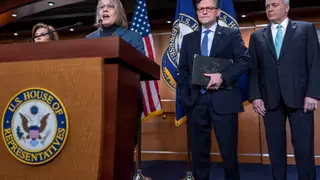
Some Republican candidates are shifting strategy to campaign aggressively on health care issues, contrary to years of treating it as Democratic territory, following advice from physician Brad Wenstrup and pollster John McLaughlin. Recent polling shows voters prioritize controlling health insurance costs, and some Republicans are running targeted ads emphasizing cracking down on fraud and abuse by insurers. This new approach appears in competitive districts across states including Iowa, New York, and New Jersey.
Republican candidates competing in swing districts have begun testing a different approach to health care campaigning ahead of the 2026 election cycle. Rather than conceding the issue to Democrats, some lawmakers are now running advertisements that target specific concerns like insurance company fraud and affordability of coverage. This represents a notable tactical shift, as the party had historically treated health care as an area where Democrats held electoral advantage.
Strategic advisors to House Republicans conducted polling that identified controlling insurance costs as voters' top health care priority. The research indicated that roughly two-thirds of likely voters would support a candidate backing stricter oversight of insurers' practices. Regional variation appears significant, with candidates in Iowa, New York, and New Jersey leading the adoption of this messaging strategy during the fall open-enrollment period.
This tactical repositioning may influence how health care policy debates develop in upcoming elections and potentially shift voter perceptions about which party addresses affordability concerns. The strategy could expand the electorate accessible to Republican candidates by engaging voters who typically prioritize health care issues. However, the effectiveness may depend on whether messaging translates into concrete policy proposals voters find credible, and whether the party's recent $1 trillion in health care budget cuts affects voter receptiveness to these new campaign messages.