Cattle Broker Admits Guilt in Massive Investment Scheme That Defrauded Producers Across Multiple States
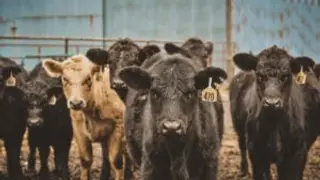
A North Dakota cattle broker pleaded guilty to wire fraud conspiracy related to Agridime, a defunct cattle investment company that operated as a Ponzi scheme and left investors owed approximately $220 million when shut down in late 2023. The company marketed cattle investments across five states using a model where investors purchased cattle on paper while the company handled management, but instead diverted new investor money to pay earlier investors. North Dakota investors were estimated to have lost about $40 million in the collapse.
Agridime operated under a straightforward pitch to agricultural investors: put money into cattle purchases, let professionals manage the livestock, and receive profits when animals were sold. The company expanded this model across five states starting in 2017, attracting hundreds of investors with promises of returns on $2,000 per animal purchases. However, federal investigators determined the operation never generated legitimate profits; instead, payments to early investors came directly from money contributed by new participants, the hallmark of a Ponzi structure.
Bang's role as a regional broker gave him significant access and commission income during the scheme's operation. His guilty plea represents the first conviction among five individuals charged in the case, signaling potential momentum in federal prosecutions related to the collapse. His sentencing in January 2027 may establish precedent for penalties in agricultural investment fraud cases.
The Agridime collapse may reshape how agricultural investors approach alternative investment products and could prompt renewed scrutiny of commodity-based investment vehicles. Livestock producers and rural investors across multiple states lost substantial capital, potentially affecting agricultural lending and investment confidence in farm-adjacent financial products. The case may also influence regulatory oversight of agricultural securities, particularly those marketed to non-professional investors in rural regions.