Replaceable Tire Treads with Embedded Sensors Reduce Waste While Monitoring Roads
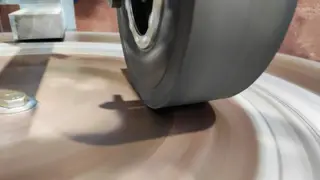
Researchers have developed a modular tire system featuring removable tread sections that can be replaced independently, significantly reducing waste compared to replacing entire tires. The design incorporates built-in sensors capable of monitoring road conditions in real time. This innovation addresses both environmental concerns and provides valuable data collection opportunities for infrastructure and vehicle safety applications.
The modular tire concept represents a shift in automotive sustainability by targeting the waste stream associated with tire disposal. Traditional tire replacement requires discarding the entire unit once tread wear becomes unsafe, creating significant landfill burden. This engineering approach isolates the most-worn component—the tread surface—for independent replacement while preserving the tire's structural body, potentially extending overall tire lifespan and reducing material consumption.
The integrated sensor capability adds a secondary benefit by enabling real-time infrastructure monitoring. As vehicles traverse roads, embedded sensors could collect granular data on pavement conditions, surface degradation, and environmental factors. This distributed sensing network might provide municipalities and transportation authorities with cost-effective alternatives to traditional road monitoring systems while supporting vehicle safety systems that respond to detected hazards.
This innovation could impact multiple stakeholders across the automotive and infrastructure sectors. Consumers may experience reduced tire replacement costs and environmental footprints, while manufacturers might face production model adjustments. Transportation agencies could gain valuable road condition data, potentially improving maintenance scheduling and safety protocols. The sensor network may also support autonomous vehicle development by providing enhanced environmental awareness, though widespread adoption would depend on standardization, cost competitiveness, and integration with existing transportation systems.