Ginori 1735 Launches Fortunae Collection Drawing Inspiration From Renaissance Game of the Goose
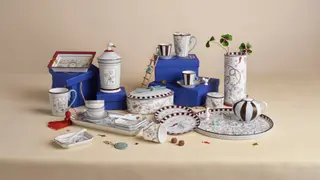
Luxury porcelain maker Ginori 1735 has unveiled its new Fortunae collection, a home and tableware line inspired by the Game of the Goose, a 15th-century Italian board game allegedly played by the Medici family. The collection features decorative and functional pieces adorned with luck-themed motifs such as geese, horseshoes, dice, and clovers, designed as collectible items and meaningful gifts that blend everyday utility with refined aesthetics and gold accents. Priced from $140 to $850, the pieces reflect a contemporary approach to thoughtful gifting and personal superstitions surrounding objects believed to bring good fortune.
The Game of the Goose emerged as one of history's first mass-produced board games, spreading across European royal courts during the Renaissance. The Medici family's introduction of the game to Spanish nobility demonstrates its cultural significance as entertainment for the elite. Its circular race-track design symbolized life's unpredictability, with players experiencing both advancement and setbacks—a metaphor that Tani recognized as relevant to contemporary audiences seeking meaningful objects beyond digital consumption.
Ginori 1735, owned by luxury conglomerate Kering, positions this collection within broader trends toward intentional gifting and home décor that carries narrative weight. The price range from $140 to $850 targets affluent consumers who value heritage craftsmanship alongside contemporary design sensibilities, with pieces designed for both display and practical use in daily life.
This collection could reinforce growing consumer preferences for luxury goods with historical narratives and symbolic meaning, particularly among gift-givers seeking alternatives to mass-produced items. Museums and heritage institutions may benefit from renewed interest in Renaissance games and their cultural context. The emphasis on "meaningful objects" in an increasingly digital world may influence broader home décor and gifting markets, though impact likely remains confined to premium consumer segments with disposable income for luxury porcelain goods.