Mike Flanagan Addresses Dark Tower Adaptation Delays, Cites Complex Rights Issues
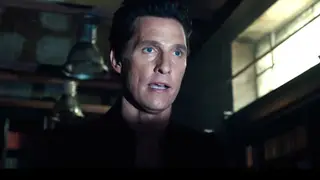
Creator Mike Flanagan explained that the adaptation of Stephen King's Dark Tower series for Prime Video has faced significant delays due to intricate rights negotiations involving multiple studios, as various King novels referenced in the series are owned by different entities. Flanagan revealed that Amazon prioritized his Carrie miniseries, which is releasing October 7, 2026, over Dark Tower development in the company's initial strategy. Despite the legal and logistical challenges, Flanagan assured fans that the ambitious multi-book adaptation remains in active development.
Stephen King's Dark Tower novels form an interconnected narrative universe that extends far beyond the series itself, incorporating characters and plot elements from multiple standalone King works. This cross-pollination of intellectual property means that adapting the full saga requires securing permissions from various studios and networks holding rights to these tangential stories. The HBO Max adaptation of Salem's Lot, for instance, introduced a character central to Dark Tower's fifth installment, illustrating how fragmented rights ownership can complicate production timelines.
Amazon's strategic decision to prioritize the Carrie miniseries reflects typical studio preferences for smaller, more manageable projects with clearer rights pathways. While Carrie represents a contained, self-contained narrative that could move through development rapidly, Dark Tower's ambitious eight-book scope and numerous external dependencies present substantially different production challenges.
The Dark Tower delays could frustrate devoted King fans anticipating a comprehensive adaptation of his most ambitious work, potentially affecting viewer engagement with Prime Video's fantasy and literary adaptation offerings. Media consumers interested in complex, multi-season fantasy narratives may redirect attention to competing platforms. The project's extended timeline also demonstrates how rights fragmentation in entertainment can impact creative development, possibly informing industry discussions about intellectual property consolidation in adaptation strategy.