Ford integrates AI-powered quality control systems into next-generation electric vehicle manufacturing
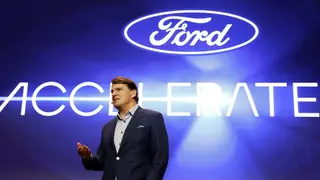
Ford CEO Jim Farley revealed that the automaker's upcoming electric vehicles will incorporate advanced onboard computer systems designed to catch and prevent assembly errors during production. The technology represents Ford's strategy to improve manufacturing quality and reduce costly defects in its EV lineup. The innovation underscores the automotive industry's increasing reliance on artificial intelligence and automation to maintain competitiveness in the rapidly expanding electric vehicle market.
Ford's integration of artificial intelligence into its electric vehicle production represents a strategic response to quality challenges that have historically affected the automotive sector. By deploying advanced onboard computer systems during assembly, the company aims to identify manufacturing defects in real time rather than after vehicles leave the factory floor. This approach addresses a critical concern for EV manufacturers, where production errors can result in significant financial losses and damage to brand reputation.
The adoption of such technology reflects broader industry trends as automakers compete in the expanding EV market. Quality control has become increasingly important as consumers evaluate new electric models, and manufacturing excellence can serve as a competitive differentiator. Ford's investment in AI-driven quality systems suggests the company views technological innovation in production processes as essential to its long-term viability in automotive manufacturing.
This development could affect multiple stakeholders across the automotive ecosystem. Consumers purchasing Ford electric vehicles may benefit from improved reliability and fewer defects. Manufacturing employees might experience shifts in their roles as automation increases, though quality control positions could evolve rather than disappear entirely. Suppliers and competitors may face pressure to adopt similar technologies to remain competitive. The broader automotive industry's shift toward AI-powered manufacturing could influence employment patterns and production costs across the sector.