North Carolina Artist Sentenced for Operating Massive AI Bot Streaming Scheme
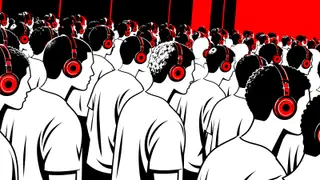
A 54-year-old musician received an 18-month prison sentence after defrauding major music streaming platforms of over $10 million by uploading hundreds of thousands of AI-generated songs and using automated bot networks to artificially inflate playback counts. The scheme, which operated between 2017 and 2024, employed over 1,000 bot accounts connected through VPNs to generate billions of fraudulent streams, generating an estimated $1.2 million annually at its peak. The perpetrator's fake streams significantly outpaced legitimate artists—his bots streamed his catalog 80.9 million times in one month compared to Taylor Swift's 9.3 million legitimate streams during the same period.
The fraud operated through a sophisticated technical infrastructure designed to evade platform detection systems. Smith coordinated with accomplices to rapidly produce and upload massive quantities of music, deliberately keeping individual track stream counts low to avoid triggering fraud alerts. His own emails document the evolution of his tactics as streaming services improved their safeguards, revealing he actively adapted his operation to circumvent new anti-fraud measures.
The scale of the scheme's financial impact becomes clear through comparative metrics. During a single month in 2023, Smith's bot network generated nearly nine times more streams than Taylor Swift's entire legitimate catalog on one platform. At its operational peak, the scheme reportedly generated over $1.2 million annually, with Smith claiming cumulative royalties exceeding $12 million by early 2024.
This case may highlight vulnerabilities in streaming platform revenue systems and raise questions about how AI-generated content interacts with royalty distribution mechanisms. The conviction could prompt streaming services to strengthen bot-detection technologies and verification processes. Artists—particularly emerging musicians competing for playlist placement—may be affected by fraudulent stream inflation that distorts platform algorithms and reduces visibility for legitimate work. The case could also influence policy discussions around AI-generated music's role in legitimate creative industries.