Skydance Completes Merger of Paramount and Warner Bros. Discovery, Creating Media and News Conglomerate
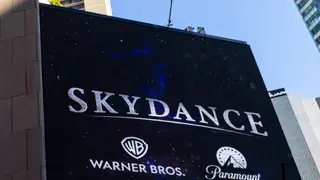
Skydance finalized its $110 billion acquisition of Warner Bros. Discovery, combining two major studios, two streaming services, and the parent companies of CBS News and CNN under single ownership led by David Ellison. The deal required federal antitrust clearance and settled a lawsuit from state attorneys general through a consent decree mandating increased production spending and preventing the closure of either studio. The combined company began trading on the New York Stock Exchange as the newly named Skydance corporation.
The $110 billion transaction consolidates significant media assets under one leadership structure. David Ellison, age 43, now oversees two historic film studios, dual streaming platforms, and the parent entities controlling two major cable news operations. The acquisition financing involved substantial private equity participation and investments from Middle Eastern sovereign wealth funds, reflecting international capital's role in reshaping American media ownership structures.
Regulatory approval required federal antitrust clearance and settlement of a multistate lawsuit. The consent decree imposed binding operational restrictions: Skydance must increase domestic production spending by at least $300 million annually beyond 2025 levels and maintain both studio operations. These measures address concerns about consolidated market power and production capacity in the entertainment sector.
The merger could significantly reshape media industry competition, market concentration, and news production incentives. Consolidating two major news operations under single corporate leadership may affect editorial practices, resource allocation to journalism, and viewpoint diversity across cable news. The consent decree's production spending requirements and studio preservation mandates represent judicial attempts to mitigate competitive harms, though their long-term effectiveness in sustaining independent creative output and news quality remains uncertain. Investors and regulators will monitor whether promised cost efficiencies materialize without compromising content or employment.