Apple prepares broad smart home assault to challenge Google's market dominance
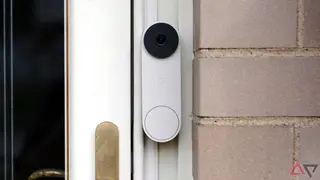
Apple is reportedly planning an extensive smart home product lineup including video doorbells, smart locks, thermostats, and cameras to compete directly with Google's Nest ecosystem. The tech giant is expected to debut a Nest Hub-like smart display with integrated speaker later this month and has partnered with LG Electronics to develop the broader hardware collection. This move represents a significant challenge to Google's current leadership in the consumer smart home market.
Apple's anticipated smart home initiative marks a strategic pivot into hardware categories where Google currently maintains substantial market share through its Nest product family. The collaboration with LG Electronics suggests Apple intends to leverage manufacturing expertise while maintaining control over design and integration with its HomeKit platform. This approach differs from Apple's typical direct manufacturing model, potentially allowing faster market entry across multiple product categories simultaneously.
The timing of this expansion reflects intensifying competition in the consumer smart home sector. While Google and Amazon have established ecosystems spanning cameras, locks, thermostats, and audio devices, Apple's entrance could reshape market dynamics by offering HomeKit-native alternatives tailored to iPhone users who may currently use competing platforms for smart home functionality.
Apple's smart home expansion could significantly influence consumer purchasing decisions by offering iPhone users an integrated alternative ecosystem. The move may accelerate adoption of smart home technology among Apple's user base while potentially fragmenting the current market. Consumers might benefit from increased competition driving innovation and feature development, though the proliferation of incompatible ecosystems could complicate interoperability. Device manufacturers and retailers may experience shifts in product demand, while technology ecosystems increasingly compete for household dominance through interconnected hardware offerings.