Tailoring Depression Care: Balancing Research Evidence With Individual Patient Needs
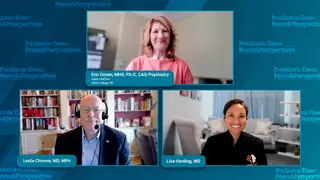
Precision psychiatry for major depressive disorder requires a different approach than precision medicine in other fields, relying heavily on detailed patient history and individualized clinical assessment. Treatment decisions benefit from integrating research evidence, the clinician's clinical expertise, and the patient's personal goals and values. The panel examines how these three elements work together to guide more effective, personalized therapeutic choices.
Depression treatment has historically relied on standardized protocols, but emerging approaches in psychiatry emphasize customizing care to match each person's unique circumstances. Unlike certain medical fields where genetic or biomarker testing drives treatment selection, depression care depends substantially on thorough conversation between clinician and patient—understanding their life story, previous experiences with treatment, and what outcomes matter most to them.
Effective depression management integrates three complementary dimensions: scientific research showing what treatments tend to work, the clinician's accumulated professional judgment, and the patient's own priorities and values. This triangular framework acknowledges that the same diagnosis can require different solutions depending on individual factors, suggesting that personalized psychiatry represents a more nuanced path than one-size-fits-all treatment.
This approach could reshape how mental health services are delivered and what patients expect from psychiatric care. If clinicians increasingly prioritize individualized assessment alongside evidence-based guidelines, it may improve treatment outcomes and patient satisfaction across diverse populations. Healthcare systems and training programs might need to adapt to emphasize shared decision-making and thorough patient engagement—changes that could affect resource allocation, clinician workload, and ultimately accessibility of mental health services.