Jagex Removes Dragon Slayer 2 Trailer Over Unauthorized AI-Generated Artwork
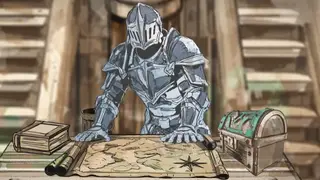
RuneScape developer Jagex removed a promotional trailer for its Dragon Slayer 2 quest after players identified telltale signs of generative AI art, including a knight with six fingers and anachronistic modern footwear. An external partner broke the studio's strict anti-AI policy despite explicitly confirming compliance. This marks the second incident in a week involving unauthorized AI usage in RuneScape promotional materials, prompting Jagex to reassess its vetting procedures.
RuneScape's parent studio has implemented immediate procedural changes after discovering that two separate promotional partners utilized generative AI technology in violation of company standards within a single week. The first incident involved a clothing collaboration company that created unauthorized AI artwork for a crossover announcement. Both instances were particularly problematic given Jagex's established commitment to supporting human creative professionals and its public assurances to the community.
The studio plans to strengthen its oversight systems and partner directly with community-based artists going forward. Marketing leadership acknowledged that internal vetting processes failed to catch the unauthorized AI usage despite explicit compliance confirmations from external contractors, indicating a significant gap between stated agreements and actual execution.
This incident may influence how gaming studios negotiate contracts with external partners and structure creative approval workflows. Players invested in game development ethics could see stricter AI policies as meaningful industry accountability, while concerns about oversight effectiveness might prompt broader discussions regarding third-party vendor management. The situation could also affect how studios balance rapid content production with quality control, potentially impacting timelines for promotional materials. Additionally, the story may shape community expectations around transparency when policy violations occur.