From Child Star to Theater: Where E.T. Actor Robert MacNaughton Is Now After Stepping Away From Showbusiness
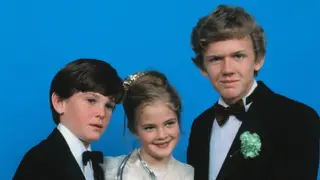
Robert MacNaughton, who gained fame as Elliott's older brother Michael in the 1982 film E.T., stepped away from Hollywood after a brief career in film and television during the 1980s. The former actor transitioned to theater work, including performances in productions like Henry V at the New York Shakespeare Festival. MacNaughton has credited Drew Barrymore, his E.T. co-star, with playing a significant role in his personal life.
Robert MacNaughton's path diverged sharply from many of his contemporaries in the 1980s entertainment industry. After appearing in several television movies and films during that decade, he made the deliberate choice to pursue stage work rather than continue seeking roles in Hollywood productions. His transition to theater, particularly classical work like his performance in Henry V at a prestigious New York venue, represented a meaningful shift toward a different kind of artistic expression and lifestyle away from the film industry's demands.
The actor's journey into performance itself emerged unexpectedly during his childhood, when a creative school project became the catalyst for discovering his passion. What began as a pragmatic solution to a writing assignment—performing rather than finding actors for his Star Trek script—revealed that he found greater fulfillment in the immediacy and personal expression that acting offered compared to the writing process itself.
This narrative may resonate with audiences interested in understanding alternative career trajectories beyond celebrity culture. The story could offer reassurance to those concerned about child actor exploitation or burnout in entertainment industries, suggesting that stepping away from high-profile work need not represent failure. It may also interest viewers contemplating their own career transitions or those seeking examples of individuals who pursued artistic fulfillment through less commercialized venues. The wider cultural conversation around sustainable work-life balance in demanding industries could be informed by such personal choices.