Aging Intelsat Satellite Shows Signs of Breaking Apart After Nearly Three Decades in Orbit
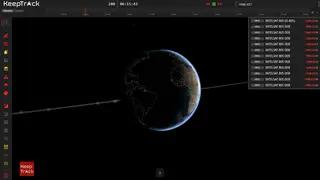
An automated detection system identified eleven potential debris pieces from INTELSAT 805, a geostationary communications satellite launched in 1998, suggesting the satellite may have fragmented or separated after nearly 28 years of service. The fragmentation event was initially detected on August 21, 2026, based on changes in orbital element sets monitored over a three-week period. Confirmation awaits additional tracking data, with the system expecting at least half of the identified pieces to receive updated observations over the following week.
INTELSAT 805 has operated continuously since its 1998 launch, serving as a geostationary communications relay positioned roughly 36,000 kilometers above Earth's equator. The satellite recently underwent station-keeping maneuvers to maintain its orbital position, with the most recent adjustment occurring on September 8, 2026—less than three weeks before fragmentation indicators appeared in tracking data.
The detection system flagged the event based on unexpected changes in orbital measurements collected over a 21-day observation window. Confirmation remains pending, contingent on whether tracking networks continue observing the newly identified debris pieces. The automated detector estimates that at least six of the eleven suspected fragments should generate fresh observational data within days, which would substantiate whether an actual breakup occurred or if the alerts represent cataloging errors.
Satellite fragmentations in geostationary orbit pose particular concerns because the region hosts thousands of active communications, weather, and broadcasting satellites serving global infrastructure. Increased debris at this altitude could complicate future satellite operations and raise long-term collision risks. However, geostationary orbit's high altitude means fragments decay more slowly than lower-orbit debris, potentially requiring decades to naturally re-enter Earth's atmosphere. Confirmation of this event may inform space situational awareness protocols and debris-tracking priorities.