Top fitness trackers of 2026 offer expanded choices across price points and designs
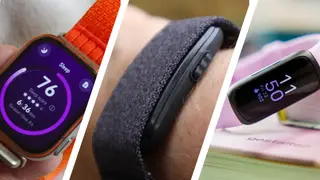
The fitness tracker market has expanded significantly with affordable options from manufacturers like Xiaomi, Huawei, and Honor, alongside emerging screenless designs that challenge traditional wearable formats. Key considerations when selecting a tracker include workout variety, battery longevity, and heart rate monitoring accuracy, with numerous options available to suit different needs and budgets. Expert testing of these devices reveals real-world performance data to help consumers make informed purchasing decisions based on their individual requirements.
The fitness tracker landscape has undergone significant transformation, with manufacturers across multiple price tiers now competing for consumer attention. Chinese brands like Xiaomi and Huawei have particularly disrupted the market by offering feature-rich devices at accessible price points, challenging the traditional dominance of premium-priced options. Simultaneously, a design revolution is underway as companies move beyond screen-based formats, drawing inspiration from minimalist wearables that prioritize comfort and discretion over display functionality.
Buyers today face a more complex decision-making process than in previous years. Critical specifications—including the breadth of supported athletic activities, time between charges, and accuracy of biometric measurements—vary considerably across models. This diversity creates both opportunity and challenge: while consumers have unprecedented options to match their specific needs and budgets, navigating the technical distinctions requires either substantial research or reliance on independent testing to identify genuinely superior performers.
Expanded fitness tracker availability could democratize personal health monitoring across socioeconomic groups, enabling more individuals to track wellness metrics previously accessible only through expensive devices. However, the proliferation of options may also deepen confusion among less tech-savvy consumers, potentially leading to poor purchasing decisions. The emphasis on subscription-based features across multiple platforms could create ongoing costs that offset initial affordability advantages, affecting the true accessibility of comprehensive health data for budget-conscious users.