Strengthening Enforcement of Existing Darfur Arms Embargo Rather Than Expanding It
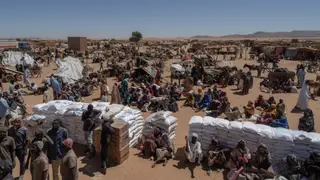
The UN Security Council is debating whether to extend and expand an existing arms embargo on Darfur, with a vote scheduled for October 8, as weapons supply networks continue to fuel Sudan's civil war between the RSF and SAF. The authors argue that rather than broadening the embargo, the Security Council should first develop the infrastructure needed to enforce the current embargo, which remains largely symbolic and routinely violated. Geopolitical divisions at the Security Council, with the UAE backing the RSF and other nations supporting the SAF, have complicated efforts to effectively implement existing restrictions.
Sudan's ongoing conflict between government forces and the RSF has created a humanitarian crisis sustained by continuous weapons flows across borders. The U.N. Security Council established restrictions on military equipment entering Darfur starting in 2004, initially targeting militia groups that later evolved into the RSF. However, these restrictions have proven largely ineffective due to widespread violations and insufficient enforcement mechanisms. The current debate centers on whether broadening geographic scope of restrictions would help, though enforcement challenges remain unresolved.
The Panel of Experts monitoring compliance operates with limited capacity—only five staff members including a single arms specialist—making it difficult to track sophisticated smuggling networks. Evidence has traced substantial RSF weapons supplies to external actors, yet geopolitical divisions among Security Council members have hindered unified action. The upcoming vote reflects broader disagreements over Sudan's political trajectory and which armed faction various nations support.
The debate's outcome could influence humanitarian conditions for millions of Sudanese civilians caught in active conflict zones. Effective arms embargo enforcement might reduce atrocity capabilities, while symbolic restrictions without implementation could reinforce perceptions that international institutions lack enforcement power. The resolution may also signal to weapons suppliers whether supplying combatants carries diplomatic or legal consequences, potentially affecting conflict dynamics across other global hotspots where similar embargoes exist.