Massive Ocean Pulses Expected to Raise West Coast Sea Levels and Accelerate Coastal Erosion
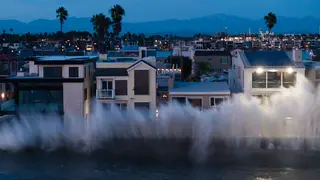
Large-scale Kelvin waves generated by El Niño conditions are traveling toward the West Coast and could raise sea levels by up to one foot this month, significantly increasing coastal erosion and flooding risks for beachfront communities. These planetary-scale water masses, which span thousands of miles and move slowly along ocean currents, create dangerous conditions for both human infrastructure and marine ecosystems as they progress northward. When combined with normal tidal patterns and storms intensified by El Niño, these waves can substantially alter beach erosion and coastal flooding patterns.
Kelvin waves represent a distinct oceanic phenomenon separate from typical surface waves. These slow-moving masses of warm water can extend thousands of miles across ocean basins and take months to traverse coastlines. The mechanism works by pushing heated water deeper while creating an elevated ridge at the ocean's surface, resulting in measurable sea level increases that might appear modest in isolation.
The frequency and intensity of Kelvin waves correlate with El Niño cycles. During the 2015-2016 El Niño event, five distinct waves reached North America, whereas the 2022-2023 cycle produced few significant waves due to unfavorable atmospheric conditions. Scientists continue examining whether climate change is altering El Niño patterns, though evidence suggests warming global temperatures during these events may contribute to record-breaking annual heat records.
Coastal communities, particularly in California, face compounded risks from this convergence of oceanographic and meteorological factors. Beachfront property owners and infrastructure managers may experience increased flooding and accelerated erosion that could necessitate costly protective measures or relocation decisions. Marine ecosystems could face stress from shifting ocean conditions. The phenomenon primarily affects populations living in vulnerable coastal zones, though broader economic consequences may emerge if significant infrastructure damage occurs or tourism is disrupted.