Legacy of Murdered Russian Journalist Anna Politkovskaya Endures Two Decades Later
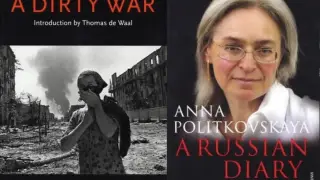
On the twentieth anniversary of her murder in Moscow, journalist Anna Politkovskaya's reporting on Russian warfare in Chechnya continues to expose state violence and human rights abuses. Politkovskaya was shot dead on October 7, 2006, in what appeared to be a contract killing meant to silence her critical coverage of the Kremlin's military campaigns. Her documented investigations into torture, abductions, and civilian suffering by both Russian and Chechen forces remain powerful testament to independent journalism's struggle against authoritarian suppression.
Politkovskaya's investigative work during the 1990s and 2000s focused on documenting the human cost of Russia's military operations in Chechnya, including allegations of torture, forced disappearances, and civilian casualties. Her reporting distinguished itself by examining misconduct across all parties involved rather than offering simplified narratives favoring one side. Her willingness to place herself in dangerous situations—such as volunteering to mediate during the 2002 Moscow theater hostage crisis—demonstrated her commitment to bearing witness to conflict firsthand.
Her 2004 writings presciently identified the authoritarian trajectory that would characterize Putin's rule, including the suppression of independent media and criminalization of dissent. The circumstances of her death on Putin's birthday, presented as a contract killing, underscored the risks faced by critical journalists in Russia and sent a chilling message about the costs of challenging state narratives.
Politkovskaya's legacy may influence how international institutions and human rights bodies document state violence and pressure authoritarian governments on press freedom. Her case could inform discussions among journalists about safety protocols in conflict zones and governments' accountability for reporter protection. Additionally, her early warnings about media repression may shape how media scholars and policymakers assess the relationship between suppressed journalism and deteriorating human rights conditions in nations with concentrated state power.