Marine Scientists Launch Boycott Against Antarctic Krill Harvest to Protect Ocean Food Web
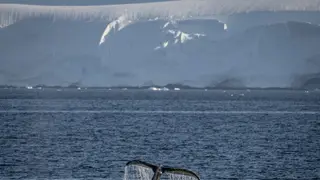
A coalition of over 30 scientists and ocean advocates is calling for a consumer boycott of krill-based products used in supplements, pet food, and aquaculture feed to safeguard Antarctic marine ecosystems. Krill populations face mounting pressure from climate-driven loss of sea ice habitat, which also threatens dependent species like whales that may not reproduce adequately when food becomes scarce. Industrial expansion into Antarctic fishing represents a threat to one of Earth's most pristine marine environments already stressed by warming temperatures.
Antarctic krill, a small shrimp-like creature, forms the nutritional foundation for numerous marine species in Southern Ocean ecosystems, including whales, penguins, and seals. The fishing industry has increasingly targeted krill for commercial purposes, converting it into dietary supplements rich in omega-3 fatty acids, animal feed for pets and farmed fish, and other consumer products. This industrial expansion coincides with a period of environmental stress, as rising ocean temperatures have already begun eroding the sea ice habitats that krill require for survival.
Scientists studying whale populations have documented concerning trends: in years when winter sea ice coverage declines significantly, subsequent pregnancy rates among whales drop considerably, suggesting inadequate food availability directly impacts reproduction. The addition of commercial fishing pressure could compound these challenges, potentially reducing krill stocks in areas where whales and other predators depend on concentrated feeding opportunities during critical seasonal periods.
This boycott campaign could influence consumer purchasing decisions across multiple industries—supplements, pet care, and aquaculture—affecting companies relying on Antarctic krill sourcing. Retailers withdrawing these products from shelves suggest market responsiveness to conservation concerns. The outcome may reshape fishing practices in Antarctic waters and demonstrate whether consumer action can effectively limit industrial expansion in fragile ecosystems. The campaign's success could also establish a precedent for using targeted boycotts to address marine conservation challenges, though implementation and enforcement of alternatives remain complex logistical questions.