Parallel Systems Raises $100M Series C to Scale Autonomous Electric Rail Vehicles for Short-Haul Freight
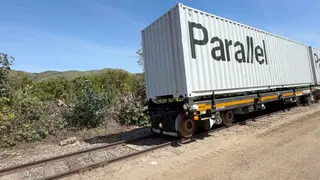
Parallel Systems, founded by former SpaceX engineers, has secured $100 million in Series C funding to scale production of its autonomous electric rail vehicles designed to recapture short-haul freight routes abandoned by traditional railroads. The company's battery-powered Panther vehicles can transport several tons of cargo up to 500 miles without an operator, addressing a market gap where trucking currently dominates routes under 500 miles. By enabling railroads to profitably serve shorter routes, the technology reduces road congestion and emissions while providing an alternative to the trucking industry facing rising diesel costs.
Parallel Systems addresses a fundamental inefficiency in modern freight logistics. Traditional railroads have optimized for long-haul routes with massive trains, making shorter distances uneconomical for rail operators. This strategic shift left regional freight corridors to trucking, which now handles the majority of U.S. shipments under 500 miles. The company's battery-powered autonomous vehicles operate in flexible, smaller formations without traditional rail couplers, enabling rapid deployment and departure from yards without human operators.
The founders leveraged aerospace engineering expertise from SpaceX to develop autonomous rail systems with advanced sensor technology and safety protocols. Having already secured Federal Railroad Administration approval for test operations near Savannah's port over 160 miles of track, the company is preparing commercial deployment. The $100 million funding round indicates investor confidence that autonomous rail could recapture significant market share from trucking in the overlooked short-haul segment.
Parallel's technology could reshape freight transportation by reducing highway congestion and emissions while creating operational opportunities for both railroads and logistics companies. Port operations—currently strained by truck traffic—might benefit from reduced drayage congestion. However, the impact on trucking employment and industry consolidation remains uncertain. Success depends on achieving reliable autonomous operations, gaining regulatory approval across multiple jurisdictions, and demonstrating cost competitiveness against established trucking networks in real-world conditions.