Trump's Diesel Tax Break Expected to Provide Minimal Consumer Relief
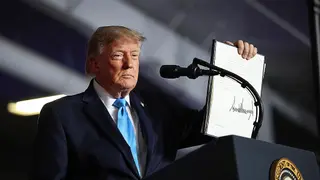
President Trump signed an executive order allowing untaxed red-dyed diesel to be used in on-road vehicles through year-end, a move intended to reduce fuel costs for truckers and farmers. The administration claims the policy will save farmers $640 million and lower grocery prices, but experts are skeptical the savings will meaningfully reach consumers. The order represents a compromise after the White House abandoned plans for a diesel export ban due to industry opposition and lack of congressional authority for a fuel tax holiday.
The executive order uses an existing legal mechanism designed for tax deferrals during emergencies—specifically citing military action—to temporarily exempt red-dyed diesel from federal taxation. However, this represents only a postponement rather than permanent relief. The deferred taxes must eventually be collected, though the timeline remains undefined pending Treasury guidance. The administration initially pursued alternative approaches, including a diesel export restriction and a broader fuel tax holiday, but abandoned both due to industry opposition and lack of statutory authority.
The policy may provide short-term relief for agricultural and trucking sectors through reduced fuel expenses, potentially affecting food and goods prices if savings are passed along. However, analysis suggests limited consumer benefit given the tax deferral structure and uncertain downstream transmission of savings. The outcome depends partly on whether Congress acts to make the tax waiver permanent, which could strain federal highway funding already facing depletion. Implementation details from Treasury will significantly influence actual cost savings realized by affected industries.