Wildfires' Hidden Impact: How Burned Forests Alter Lake Ecosystems
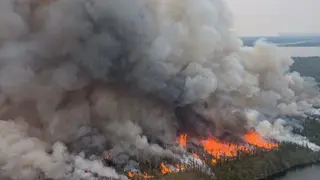
Researchers are investigating the cascading effects of increasingly frequent wildfires on freshwater lake systems, particularly across Canada where record-breaking fire seasons have burned millions of hectares in recent years. When forests burn near lakes, the immediate consequences include increased flood risk, contamination from ash deposits, and nutrient imbalances that alter watershed composition. Scientists note that the full ecological impact varies based on fire intensity, location, ecosystem health before the fire, and subsequent rainfall patterns.
Canada's vulnerability to wildfire-driven lake contamination is particularly acute given the nation's exceptional freshwater resources. The 2023 wildfire season destroyed 15 million hectares of forest, followed by continued burning that exceeded four million hectares by late summer 2024. These increasingly severe fire seasons are creating urgent research questions about whether recreational and drinking water sources face systematic degradation from fire-related watershed changes.
The severity of impacts on individual lakes depends on interconnected factors that complicate prediction and response. Fire intensity and proximity to water bodies, combined with the pre-existing ecological health of affected areas and subsequent weather patterns, all influence how dramatically ash and nutrient loading will alter aquatic systems. This complexity means that generalized solutions may be insufficient for protecting diverse lake ecosystems across different regions and fire conditions.
Communities relying on freshwater lakes for drinking water, recreation, and food sources could face significant disruption if wildfires systematically degrade water quality and trigger flooding. The research may inform water management policies and infrastructure planning, particularly for regions experiencing accelerating fire seasons. Understanding these cascading ecological effects could shape decisions about forest management, watershed protection, and climate adaptation strategies that affect public health and economic activities dependent on freshwater resources.