Geopolitical Tensions and Rising Oil Prices Shake Cryptocurrency Markets
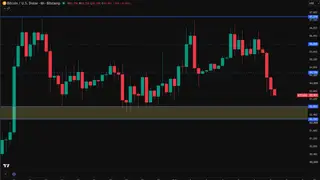
Bitcoin dropped approximately 3% to near $83,700 as Iranian tanker attacks in the Strait of Hormuz drove oil above $101 and triggered significant derivative liquidations exceeding $547 million. The market experienced a trading range of roughly $3,300 from Tuesday morning through Wednesday, with long positions accounting for the majority of liquidated positions. Despite the downward pressure, institutional interest remained steady with spot Bitcoin funds attracting inflows while major firms like Robinhood made strategic purchases.
Middle Eastern maritime disruptions have created ripple effects across financial markets. The escalation in regional tensions drove crude oil toward the $101 level, triggering a cascade of forced selling in leveraged cryptocurrency positions. Within a 24-hour window, traders holding amplified long bets faced roughly $487 million in liquidations as Bitcoin retreated from its Tuesday peak. The vulnerability of leveraged positions underscores how external geopolitical shocks can rapidly destabilize crypto markets despite broader institutional participation.
Offsetting the downward pressure, traditional investment vehicles showed resilience through steady institutional demand. Major spot Bitcoin funds accumulated over $118 million in net new capital during the session, suggesting some investors viewed the dip as a buying opportunity. This bifurcated response—simultaneous liquidations among leveraged traders and inflows into institutional vehicles—reflects the evolving structure of cryptocurrency markets as they attract both risk-seeking and conservative capital allocators.
Geopolitical volatility's transmission through cryptocurrency markets could affect multiple stakeholders. Leveraged traders face accelerated losses during sharp price movements unrelated to crypto fundamentals, potentially eroding retail participation. Institutional investors may view such episodes as opportunities or risks depending on their time horizon and risk tolerance. Additionally, oil price movements tied to Middle Eastern tensions influence broader inflation expectations, which could shape central bank policy and subsequently impact asset valuations across digital and traditional markets.