Patient adherence gaps persist in breast cancer screening despite physician recommendations
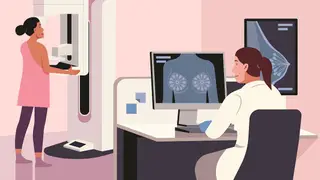
A survey of 1,000 American women aged 35 to 75 found that over one-third have postponed or skipped recommended mammograms at some point. Direct physician recommendation emerged as the strongest factor motivating overdue patients to complete screening. Misconceptions about cost, radiation exposure, and breast density classification continue to serve as barriers to timely screening participation.
A recent survey examining screening practices among American women spanning middle age and older years revealed a significant gap between medical guidance and actual participation. Over one in three respondents reported instances of delaying or forgoing mammograms despite receiving recommendations from their healthcare providers. This finding highlights a disconnect between clinical advice and patient behavior in an important area of preventive care.
The research identified multiple obstacles preventing timely screening completion. Inaccurate beliefs regarding screening expenses, concerns about radiation safety, and confusion surrounding breast tissue classification all contribute to women's reluctance to pursue recommended procedures. When physicians directly encouraged screening, however, this personal recommendation proved to be the most effective motivator for previously non-compliant patients to complete their mammograms.
Screening adherence challenges could have broad implications for public health outcomes, potentially affecting disease detection rates and treatment timelines across large populations. Healthcare providers may need to reassess communication strategies and patient education approaches to address persistent misconceptions. Policymakers and medical institutions could consider how clearer information campaigns and direct physician engagement might improve preventive care participation, ultimately influencing long-term health equity and health system resource allocation.