Beyond Bricks: Vienna Exhibition Celebrates Century of Architectural Construction Toys
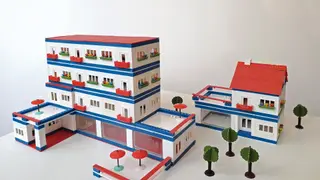
An interactive exhibition at Vienna's MAK museum showcases 70 historical construction kits spanning 1880 to 1960, drawn from graphic designer Claus Krieger's private collection and demonstrating materials from wood and metal to rubber and early bio-plastic. The exhibition features eight play stations where visitors can hands-on experience with kits that predate or differ significantly from modern Lego, revealing forgotten building systems and design approaches. The show runs until March 14, 2027, and includes a VR installation encouraging experimentation with these vintage building systems.
The exhibition draws from graphic designer Claus Krieger's decades-long private collection of European construction systems that predate modern building toys. These kits employed diverse manufacturing approaches—from traditional wood and metal fabrication to experimental materials like rubber and Galalith, an early bio-plastic—reflecting the industrial innovations of their respective eras. The display spans from 1880 through 1960, capturing a century of evolving design philosophy in educational play.
Guest curator Oliver Elser raises intriguing questions about the original audience for these kits, noting that packaging imagery often depicted serious, concentrated children rather than joyful play. Building instructions were notably complex, suggesting these systems may have appealed equally to adult hobbyists or educational institutions. The presentation also reveals gendered marketing patterns, with girls largely sidelined in promotional materials until gradual shifts emerged after the 1960s.
This exhibition may broaden public appreciation for design heritage and forgotten technological approaches, potentially influencing collectors, educators, and parents seeking alternatives to contemporary mass-produced toys. Museum visitors could gain insights into early twentieth-century industrial design and pedagogical assumptions about learning through construction. The event might also spark renewed interest in vintage toys as cultural artifacts, affecting auction values and preservation efforts for similar historical items.