Excessive Rainfall Dampens Corn Yields for Illinois Farm Family During 2026 Harvest
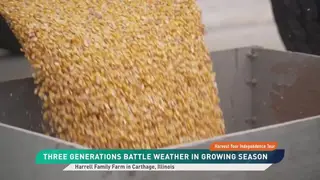
An Illinois farming operation near Carthage is experiencing reduced corn yields of 15-20 bushels below last year due to persistent rainfall throughout the growing season, with additional challenges from lodged corn and high moisture content in harvested grain. While corn production suffered, the same farm's soybean yields are tracking slightly above their five-year average, providing some offset to overall farm revenue. Rising input costs, particularly diesel fuel that more than doubled from spring contracts, are compounding the economic pressure despite somewhat favorable commodity prices.
The Harrell family operation near Carthage faced compounded weather challenges throughout 2026, with April plantings delayed by moisture and subsequent months delivering excessive precipitation. June brought over seven inches of rain, followed by August experiencing similar totals within a compressed three-day period, alongside extended cloud cover that disrupted the critical grain-filling phase and left harvested corn with abnormally high moisture levels.
Input cost volatility emerged as a secondary but significant pressure on farm finances. Diesel fuel purchased at spring contract prices near $2.60-$2.70 per gallon had escalated to approximately $6 by harvest, effectively doubling operational expenses and intensifying economic strain despite moderately supportive commodity pricing that provided some revenue offset to yield losses.
Weather-driven yield reductions in major corn-producing regions could contribute to tighter grain supplies and potentially support commodity prices, affecting food production costs and livestock feed expenses nationwide. Rising fuel prices simultaneously pressure farm profitability and may influence planting decisions for subsequent seasons. While strong soybean performance and favorable market conditions partially cushion this operation's financial impact, similar multi-farm challenges across the Corn Belt could reshape regional agricultural economics and downstream food system costs for consumers and processors.