Asia Society Leader Analyzes Intensifying U.S.-China Diplomatic Engagement
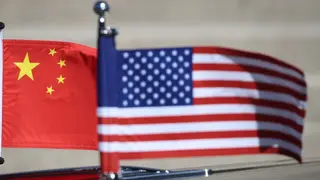
According to Kevin Rudd, president of the Asia Society, the United States and China have dramatically accelerated high-level diplomatic meetings, holding four summits across six months in contrast to a decade of minimal contact between leaders. The flurry of summits reflects broader geopolitical repositioning, including discussions on tariffs, critical minerals, and China's gradual diversification away from U.S. dollar holdings. While the meetings emphasized symbolism through state dinners and formal ceremonies, critics contend they produced limited concrete policy outcomes beyond general dialogue on artificial intelligence.
The diplomatic acceleration represents a dramatic reversal after more than a decade of limited high-level engagement. The previous significant interaction occurred in 2015 when Xi visited the White House under the Obama administration, followed by Trump's Beijing trip in 2017. The current sequence of four presidential meetings within half a year signals an intentional recalibration of bilateral relations at the highest levels of government.
Behind the ceremonial elements, substantive economic concerns drive the engagement. Beijing's strategic reduction of U.S. Treasury holdings and simultaneous promotion of yuan internationalization reflect long-term financial repositioning. These capital allocation decisions operate outside traditional trade frameworks and rarely appear in formal diplomatic statements, making the underlying financial negotiations as significant as publicly announced policy discussions.
Intensified U.S.-China diplomatic engagement could reshape global economic and security dynamics. Businesses engaged in international trade, investment, and technology sectors may face shifting regulatory environments depending on negotiation outcomes. Allied nations and developing economies could experience ripple effects from decisions on tariffs, currency policy, and critical mineral access. Conversely, increased dialogue channels might reduce miscalculation risks between the superpowers, potentially stabilizing markets and reducing geopolitical tensions that affect global citizens.