Ericsson Demonstrates Next-Generation Network Technologies and Startup Solutions at India Mobile Congress
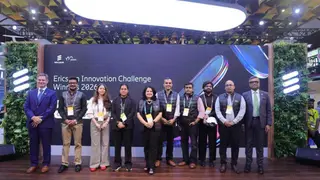
Ericsson presented a comprehensive portfolio of telecommunications and artificial intelligence advancements at IMC 2026, including AI-driven network management, autonomous radio access technology, and emerging 6G concepts. Six winning startups from Ericsson's innovation challenge showcased 5G and AI applications targeting agriculture, healthcare, advanced manufacturing, environmental sustainability, and digital access initiatives. The exhibition highlights how telecom infrastructure providers are collaborating with emerging companies to address real-world challenges across multiple industry sectors.
Ericsson's presentation at India Mobile Congress 2026 integrated demonstrations of advanced network management systems powered by artificial intelligence with practical applications developed by emerging companies. The six winning startups selected through Ericsson's innovation challenge represent solutions across multiple sectors including food production, medical services, manufacturing processes, and infrastructure access for underserved populations. These demonstrations illustrate how established telecom infrastructure providers are creating structured pathways for startups to build commercial applications on next-generation connectivity platforms.
The company's exhibition extended beyond current 5G capabilities to include early-stage 6G concepts, with particular emphasis on network architectures designed with artificial intelligence as a foundational component rather than an add-on feature. Autonomous systems for radio access technology and collaborative robotics applications were among the forward-looking technologies presented alongside mission-critical connectivity solutions intended for time-sensitive industrial and emergency services applications.
This showcase may influence how telecom operators worldwide approach ecosystem development and startup engagement strategies. The integration of AI-driven network capabilities with sector-specific solutions could affect investment patterns in emerging technology companies and shape infrastructure deployment priorities in developing markets. However, the actual impact on service availability, affordability, and equitable access to advanced connectivity will depend on implementation decisions by network operators and regulatory frameworks that extend beyond demonstrations at industry conferences.