Mexico's 2025 Census Data Reveals Demographic Composition and Slow Growth
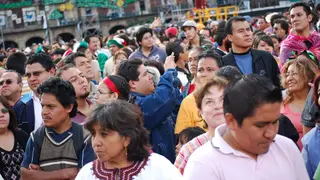
Mexico's population reached 130.9 million residents as of October 2025 according to INEGI's latest intercensal survey, representing a slowdown in growth to 0.7 percent annually since 2020. The demographic breakdown shows 18.6 percent identify as indigenous and 1.6 percent as Afro-Mexican, with a median age of 32 years reflecting an aging population. Household sizes have contracted to an average of 3.3 occupants per dwelling, down from 3.6 in the previous census five years earlier.
Mexico's demographic profile is undergoing significant transformation, with the country experiencing both population growth and structural shifts that point to long-term challenges. The 2025 intercensal survey reveals that while Mexico added nearly 5 million residents since 2020, the annual growth rate has declined substantially to 0.7 percent, reflecting falling fertility rates that have dropped below the 2.1 replacement level. This slowdown accompanies an aging society: the median age increased from 29 in 2020 to 32 in 2025, while seniors aged 60 and over now represent a growing portion of the population, prompting the government to prioritize aging as a national policy concern.
The data also captures changing living arrangements across Mexico's diverse regions. Average household sizes have contracted from 3.6 to 3.3 occupants per dwelling, indicating shifts in family structure and housing patterns. Regional disparities remain pronounced, with southern states like Chiapas maintaining younger populations while Mexico City's median age of 37 reflects urbanization's demographic effects. Indigenous populations comprise 18.6 percent of residents, with an additional 1.6 percent identifying as Afro-Mexican.
Mexico's demographic slowdown presents complex implications for economic planning, social services, and fiscal sustainability. A contracting growth rate may ease pressures on housing, education, and infrastructure but could simultaneously strain pension systems and reduce the working-age population supporting retirees. Regional inequality in aging patterns may widen disparities in development, with aging urban centers potentially requiring different resource allocation than younger rural areas. Policymakers may face competing priorities between managing an older population's healthcare needs and investing in education for shrinking youth cohorts, particularly affecting labor markets and migration patterns.