Trump downplays biological weapon theory in Russian plague laboratory death
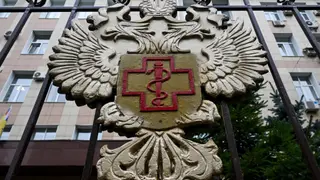
President Trump stated his administration does not believe the death of a Russian plague laboratory worker involved a biological weapon, though he indicated further investigation was underway. Russia has pushed back against what it calls false information regarding the incident while reports emerged of a potential second suspected case. The U.S. and United Nations have called on Russia to increase transparency surrounding the situation.
A Russian laboratory worker's death has drawn international scrutiny regarding potential biological hazards. While Trump's administration has indicated preliminary skepticism about weaponization claims, officials acknowledge ongoing investigation into the circumstances. The incident has prompted concern from global bodies monitoring biosafety standards and information transparency.
Russia has responded defensively to emerging reports, characterizing international inquiries as misinformation campaigns. A potential second suspected case has surfaced, heightening global health monitoring attention. International pressure for disclosure reflects broader concerns about laboratory safety protocols and official accountability in such incidents.
This incident may intensify diplomatic tensions between Russia and Western nations regarding scientific transparency and biosafety governance. The situation could affect public confidence in institutional responses to biological hazards, particularly as reports of multiple cases emerge. International bodies' involvement signals potential implications for global health protocols and verification mechanisms, potentially influencing how nations cooperate on disease surveillance and laboratory oversight going forward.