Psychotrauma expert discusses Israeli resilience amid collective grief and shattered security
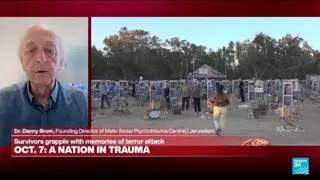
A leading Israeli psychotrauma expert discusses how Israelis and Jewish communities worldwide are processing what he describes as the largest loss of Jewish life in a single day since the Holocaust while their fundamental sense of collective security has been damaged. The interview examines how individuals and society can rebuild a sense of safety without allowing fear to dominate their future. The expert notes that ongoing conflict continues to complicate the nation's healing process.
Dr. Danny Brom, director of Israel's leading psychotrauma center, addresses the psychological dimensions of a catastrophic event that claimed more Jewish lives in a single day than any occurrence since World War II. His analysis explores the paradox facing Israeli society: simultaneous experiences of profound loss and demonstrated capacity for resilience. The interview focuses on the psychological challenge of rebuilding personal and collective security following such trauma without allowing fear to constrain decision-making and future direction.
The discussion occurs within the ongoing context of regional conflict, which Brom emphasizes complicates the nation's recovery process. Political rhetoric about military objectives remains ambiguous even to leadership, potentially extending the psychological burden on civilians seeking closure and stability.
This story may resonate with multiple audiences navigating collective trauma and security concerns. Families of victims and survivors could find validation in expert analysis of grief processes, while policymakers might consider psychological dimensions when shaping responses to trauma. Mental health professionals and communities worldwide experiencing similar collective losses may reference this framework for understanding resilience pathways. The interview's emphasis on processing fear without surrendering to it could influence broader cultural conversations about balancing security needs with psychological wellbeing during prolonged instability.