Dell's Slim XPS 16 Creator Edition Packs 128GB of Unified Memory for AI and Video Work
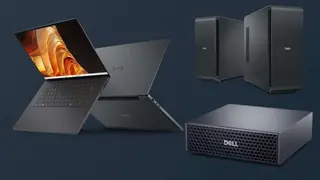
Dell has announced the XPS 16 Creator Edition, a 17.8mm thin laptop featuring NVIDIA's RTX Spark platform with up to 128GB of unified memory accessible to both CPU and GPU. The device starts at $3,799.99 and offers creators a larger memory pool for running local AI models, 3D projects, and video editing without splitting resources between separate pools. The laptop includes practical features like three USB4 ports, HDMI 2.1b, and a full-size SD card reader.
Dell's announcement represents a significant shift in laptop architecture for content creators. By adopting NVIDIA's Grace CPU paired with Blackwell graphics, the company eliminated the traditional separation between system RAM and graphics memory—a constraint that has long limited the complexity of projects creators could handle locally. This unified approach allows professionals to work with larger AI models, more intricate 3D scenes, and higher-resolution video timelines without constantly managing memory constraints.
The device also signals Dell's commitment to practical creator workflows through its port selection. The inclusion of a full-size SD card slot addresses a genuine friction point for photographers and videographers who previously needed external readers. Combined with three Thunderbolt ports and HDMI connectivity, the laptop offers direct integration with professional peripherals and cameras without requiring adapters.
This laptop may influence how creative professionals evaluate portability versus computational power, potentially making local AI work and advanced editing more accessible to independent creators who lack server resources. However, the $3,799.99 entry price and architectural shift to Arm-based processing could create adoption barriers, as software compatibility remains incomplete. Widespread impact depends on whether developers prioritize native support for this platform and whether the performance advantages justify the ecosystem limitations for users accustomed to traditional x86 systems.