Lawmaker Proposes Smithsonian Document Contemporary Propaganda as Historical Record
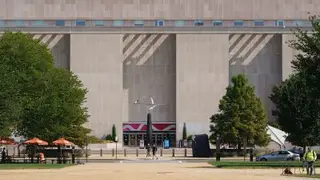
Representative Jamie Raskin introduced legislation directing the Smithsonian Institution to collect and exhibit materials related to recent political propaganda for educational purposes about authoritarianism. The proposal responds to attempts by the current administration to influence Smithsonian exhibitions, reversing the typical dynamic of political control. Raskin's bill frames such archival collection as essential to preserving historical documentation of threats to democratic institutions.
Representative Raskin's legislative initiative addresses a significant shift in how political materials enter the historical record. Rather than institutions passively receiving propaganda as artifacts, the proposal suggests active institutional collection of contemporary political rhetoric, positioning such documentation as essential for future scholars studying democratic vulnerabilities. This approach treats propaganda materials as primary sources through which citizens can examine the mechanics and messaging of modern authoritarianism.
The bill emerges within a broader conversation about museum independence and editorial control. By framing archival work as educational rather than political, the proposal attempts to reposition the Smithsonian's role from potential target of political pressure to deliberate chronicler of threats to institutional integrity. This creates a precedent for how cultural institutions might document contemporary governance challenges.
The proposal could influence how museums nationwide approach politically sensitive contemporary materials, potentially establishing standards for what constitutes historically significant documentation beyond traditional artifact categories. Educational institutions and research libraries may face decisions about similar collection policies. The initiative might also shape public discourse about institutional neutrality, suggesting that passive preservation differs from deliberate historical record-making. How legislators and museum boards respond could affect future institutional boundaries between archival responsibility and political engagement.