US Military Suspends Okinawa Operations Following Marine's Arrest in Woman's Death
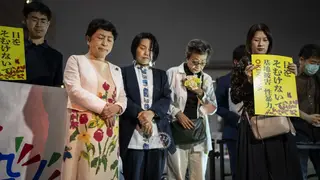
The U.S. military halted all operations on Okinawa for 48 hours and confined troops to base after a Marine lance corporal was arrested for allegedly strangling and robbing a 39-year-old woman at a Naha hotel. Commander Benjamin Watson announced a comprehensive 30-day reflection period including curfews, alcohol bans, and enhanced gate supervision, representing the most extensive restrictions since a 2016 incident. The arrest sparked widespread protests that extended from Okinawa to the U.S. Embassy in Tokyo, raising tensions in the U.S.-Japan alliance.
The arrested Marine, a 20-year-old lance corporal stationed at Futenma, was identified through security footage and spotted by a patrolling officer in an entertainment district miles from the crime scene. Japanese authorities detained him for questioning, with prosecutors having up to 23 days to decide whether to press charges. The victim, a 39-year-old local woman, was found deceased at a hotel in Naha after being reported missing.
The incident echoes a traumatic 2016 case involving another Marine-connected death that had severely strained civil-military relations on the island. This pattern of serious crimes by U.S. service members has compounded longstanding Okinawan grievances about the military presence. The rapid escalation from arrest to nationwide protests underscores how deeply these incidents resonate within Japanese society and political discourse.
The case may significantly test the durability of the U.S.-Japan alliance and the bilateral security relationship, particularly given Okinawa's historical skepticism toward the American military footprint. Local populations could face increased pressure to accept restrictions justified by incident prevention, while Japanese policymakers may encounter domestic calls for stricter accountability measures or base relocations. The investigation's outcome could shape public confidence in the Status of Forces Agreement framework that currently governs such prosecutions.