Android 17 Code Reveals Google's Potential Solution for Pixel Face Unlock in Low-Light Conditions
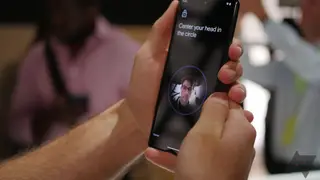
Evidence discovered in Android 17 QPR3 Beta 1 suggests Google is developing a "Face Active Illumination" feature to address Pixel's face unlock struggles in dark environments. The feature would include customizable brightness levels and context-aware settings for different scenarios like bedtime or driving mode. While Google has not officially announced the feature, this development could make Pixel's facial recognition competitive with Apple's Face ID technology.
Google's Pixel phones have historically struggled with facial recognition in dimly lit environments, a limitation that has persisted since the company abandoned dedicated infrared hardware. The Pixel 4 once featured specialized infrared sensors and radar technology that enabled reliable authentication in any lighting condition, but international regulatory complications—particularly restrictions on the radar frequency band—forced Google to discontinue this approach in subsequent models. Current Pixel devices rely entirely on camera-based facial recognition, which proves unreliable without adequate ambient light.
The newly discovered code suggests Google may be exploring multiple technological pathways to solve this problem. References to "Project Toscana" hint at possible infrared technology development, though whether screen-based illumination or embedded infrared hardware would power the feature remains unclear. The unfinished interface shows customizable brightness controls and contextual toggles for different usage scenarios, indicating Google's attempts to balance functionality with user experience.
If implemented, Face Active Illumination could meaningfully improve mobile security accessibility for Pixel users who frequently unlock their phones in low-light settings. The feature may influence smartphone purchasing decisions among consumers prioritizing biometric authentication reliability. However, the approach of illuminating users' faces raises potential concerns about practicality and user acceptance. Success likely depends on whether the solution delivers competitive performance compared to Face ID while remaining convenient enough for daily use across diverse lighting conditions.