Developer Switches from Google Keep to TickTick After Finding Superior Task Management Capabilities
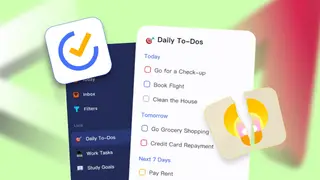
A tech writer who heavily relied on Google Keep for daily task management has switched to TickTick, finding it superior for power users despite Keep's strength as a note-taking application. Keep falls short as a dedicated to-do manager because it lacks integrated features and requires juggling with separate apps like Google Calendar and Tasks for comprehensive productivity management. TickTick consolidates these functions into a single cohesive platform designed specifically for task management workflows.
Google Keep's primary limitations as a task management platform stem from its design philosophy as a note-taking utility rather than a dedicated productivity tool. Power users encounter friction when attempting to coordinate Keep with complementary Google applications like Calendar and Tasks, creating workflow inefficiencies. The platform lacks organizational structure through folder systems, priority-based task sorting, habit tracking capabilities, and time-blocking features that dedicated task managers provide.
TickTick addresses these gaps through integrated functionality that consolidates multiple productivity functions into a single interface. The application's built-in calendar synchronization with Google Calendar, combined with location-based organization and priority assignment features, enables users to manage their entire task ecosystem without context-switching between applications. This consolidated approach reportedly resulted in increased task completion rates for the author.
This story may influence how individual users and small teams evaluate their productivity tool selections, particularly those already invested in Google's ecosystem who find Keep insufficient for complex task management needs. The comparison could shift purchasing decisions toward specialized task management platforms, though impact remains limited to users with advanced productivity requirements. Broader organizational implications are modest, as many casual users find Google Keep adequate for basic needs, and enterprise adoption depends on factors beyond personal preference such as IT policy and integration requirements.