Ring Introduces First Smart Deadbolt with Mechanical Dial for Battery Revival
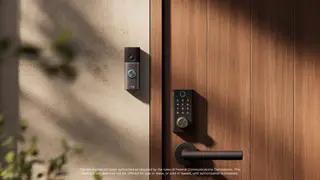
Amazon's Ring unveiled its inaugural smart lock product, a $249 deadbolt featuring keyless entry and a unique mechanical dial that generates power to reboot a depleted battery by manual cranking. Ring founder Jamie Siminoff designed the dial mechanism to address a critical limitation affecting smart lock adoption—the risk of lockout when batteries fail, which existing alternatives like 9-volt terminals or USB-C ports fail to solve. The device integrates with Amazon Sidewalk, Alexa voice commands, and smart home ecosystems while offering fingerprint, keypad, and app-based access options.
Ring's entry into the smart lock market addresses a fundamental adoption barrier that has plagued the category: battery failure leading to lockout situations. The company's mechanical dial solution represents a practical advancement over existing emergency access methods like external battery terminals or USB ports, which prove ineffective for users caught without backup power at inopportune times. The $249 deadbolt incorporates multiple authentication methods including biometric, numerical, and app-based access while leveraging Amazon's existing ecosystem through Sidewalk connectivity and Alexa integration.
The product arrives as Ring faces intensifying competition from both established lock manufacturers and new entrants. Apple's forthcoming smart home initiative, developed with LG Electronics, will introduce competing devices featuring alternative innovations like ultra-wideband unlock capabilities. Siminoff's decision to delay Ring's lock entry until presenting a distinctive solution reflects a strategic approach prioritizing differentiation over market timing in an increasingly crowded segment.
The mechanical dial solution could reduce smart lock adoption friction by eliminating lockout anxiety, potentially accelerating market penetration for connected home security. However, widespread adoption may hinge on consumer familiarity with the technology and pricing competitiveness relative to traditional locks. The product's reliance on Amazon Sidewalk and ecosystem integration could influence smart home network standardization, though interoperability with competing platforms remains uncertain. Consumer privacy concerns surrounding Ring's previous initiatives may affect public confidence in the company's smart home expansion.