IMF Launches Economic Stabilization Initiative for Yemen Amid Ongoing Conflict
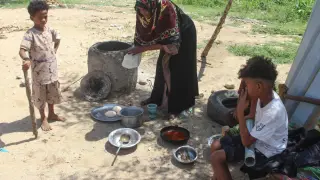
The International Monetary Fund approved an 18-month technical assistance program to help Yemen stabilize its economy and strengthen financial frameworks, even as warfare between the government and Iran-backed Houthis continues. Yemen's economy has contracted for five consecutive years, with the nation heavily dependent on remittances and international aid to survive a deepening humanitarian crisis affecting over 5.2 million internally displaced people. The IMF program aims to increase domestic revenue and rationalize government spending as the country faces severe food insecurity and malnutrition among its vulnerable population.
Yemen's economy has been in free fall for half a decade, with the latest contraction of 1.5 percent driven by regional trade disruptions, energy scarcity, and minimal consumer spending. The nation survives almost entirely through money sent home by citizens abroad and grants from foreign donors, a precarious situation that leaves virtually no room for independent fiscal maneuvering.
The IMF intervention focuses on unglamorous but essential groundwork: widening the tax base and cutting wasteful expenditures. Without these foundational reforms, Yemen cannot build resilience against future shocks, whether economic or security-related. The program's technical nature means it offers expertise rather than cash injections to address immediate needs.
The IMF's initiative could help establish institutional capacity for post-conflict recovery, potentially benefiting ordinary Yemenis through more efficient resource allocation. However, the program's modest scope may do little to ease the immediate suffering of millions facing hunger and displacement. Success likely depends on whether the conflict trajectory changes—technical assistance alone cannot remedy an economy ravaged by active warfare. International donors and neighboring states may view this as a signal of commitment to Yemen's long-term stabilization, though its tangible impact on vulnerable populations in the near term remains uncertain.