Bank of North Dakota Launches Stablecoin Pilot Program With Local Financial Institutions
The Bank of North Dakota has begun testing the Roughrider Coin, a state-branded digital currency pegged to the U.S. dollar, with four local banking partners in a controlled pilot program. The stablecoin uses blockchain technology to facilitate faster and potentially cheaper transactions while avoiding the price volatility associated with cryptocurrencies like Bitcoin. The initiative positions North Dakota as an early adopter of cryptocurrency-based financial technology and aims to demonstrate benefits that could strengthen the state's financial system over the coming decade.
The Bank of North Dakota, a state-owned institution, is testing a dollar-backed digital currency called Roughrider Coin through partnerships with four regional financial institutions and technology provider Fiserv. The pilot operates in a controlled setting to evaluate whether blockchain-based transactions might reduce costs and processing times for community banks and credit unions across the state. Leadership from participating institutions view the initiative as preparation for potential future adoption of stablecoin technology in mainstream banking operations.
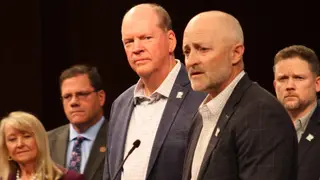
The announcement occurred during a banking forum at Theodore Roosevelt Presidential Library, where state financial leaders gathered to explore emerging fintech developments. Early testing has already demonstrated the technology's basic functionality through rapid inter-institutional transfers.
The pilot could signal how state governments and regional financial institutions might experiment with digital currency infrastructure before broader implementation. If successful, such programs may reshape payment settlement speeds and operational costs for community banks, potentially affecting business customers and account holders. However, the long-term viability and regulatory framework for state-sponsored stablecoins remain uncertain, and widespread adoption faces questions about interoperability with federal monetary policy and existing financial systems.