Three years after October 7 attacks, Gazans struggle with devastation, displacement and humanitarian crisis
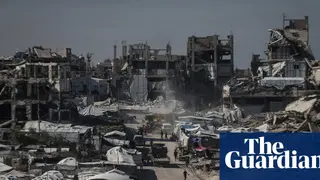
Palestinians in Gaza continue to endure severe hardships including displacement, disease, food shortages, and water scarcity three years after the initial Hamas attacks and subsequent Israeli military offensive. Residents living in tents and makeshift shelters describe lives transformed beyond recognition, with many unable to return to their destroyed homes in the north. The conflict has killed tens of thousands of Palestinians and left vast areas of Gaza reduced to rubble.
The humanitarian crisis affecting Gaza's population extends across multiple critical areas of daily survival. Residents face severe shortages of clean water and adequate nutrition alongside collapsing healthcare systems and widespread unemployment, creating a cascade of interconnected challenges. The displacement has been particularly acute in northern areas like Beit Lahiya, where destroyed infrastructure has rendered entire communities uninhabitable, forcing residents southward into overcrowded temporary settlements along the coastline.
Despite an agreement reached a year prior, military operations have continued with periodic escalations. Recent incidents include civilians being killed near demarcation lines separating different zones, while airstrikes have persisted throughout the region. International observers characterize the situation as fundamentally unstable, noting that while acute food shortages may have eased, underlying malnutrition remains widespread among the population.
This situation affects millions of Palestinians whose basic survival needs remain unmet, potentially creating long-term public health and economic consequences. The ongoing instability may influence regional diplomatic efforts and international humanitarian responses. Displacement at this scale could shape generational outcomes for Gazan children's education and development. The conditions described may also inform broader discussions about reconstruction timelines, accountability mechanisms, and pathways toward sustainable peace in the region.