Wood played a major role in Neanderthal technology, cave finds suggest
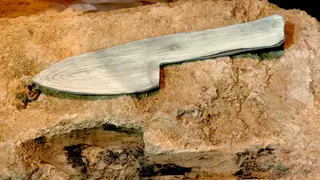
A review of nearly 600 wooden objects from Abric Romaní cave in Spain, dated 40,000 to 62,000 years ago, suggests Neanderthals used wood extensively for tools, weapons, and domestic items. Only 13 pieces were identified as definitely made or used by Neanderthals, including two spears. Researchers say the stone-focused archaeological record underrepresents wood technology because wood rarely survives.
Excavations at Abric Romaní, a rock shelter near Barcelona, have yielded almost 600 wooden items spanning 40,000 to 62,000 years, gathered by archaeologists since the 1980s. Because wood usually decays, much of the evidence survives as grain impressions in travertine, a calcium-rich rock, alongside charred pieces and some preserved timber.
Just 13 objects could be firmly attributed to Neanderthal manufacture or use; the remainder were natural material such as branches, roots, twigs, trunks and firewood. Among the identified pieces were two spears, a tripod, possible structural poles, tray-like containers and a unique club-shaped item with a narrow handle and asymmetric head.
The findings could shift public perceptions of Neanderthals, portraying them as skilled woodworkers rather than purely stone-tool users. Museums, educators and textbook authors may revise displays and lessons, while archaeologists studying perishable materials could gain impetus to re-examine overlooked sites. Because only a handful of objects were confidently attributed, though, the study may prompt debate about how such evidence is classified rather than settle the question outright.