Utah coal community pushes back on nuclear-powered data center plans
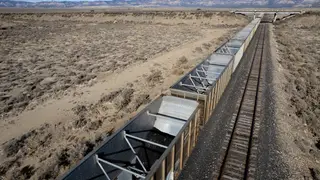
Two data center developments are planned in Carbon County, Utah: one would use 456 small modular nuclear reactors and store radioactive waste, while the other would include a large natural gas plant. The county's coal mining economy has collapsed, and some residents are concerned about industrial projects being built close to homes. Local opposition is mounting.
Carbon County once yielded almost 10 million tons of coal in 2006, but output ended entirely by 2023 as cheaper renewables and natural gas, plus exhausted seams, undercut mining. Now two data-center proposals are advancing: Valar Atomics’ Project Beehive would deploy 456 small modular reactors, store radioactive waste, and host industrial uses on federal and state trust land; Altigen Energy’s Jurassic Spark would add a large gas plant.
State trust officials approved a lease of one square mile for up to a century, projected to bring $35 million in rent over 50 years, with proceeds supporting Utah schools. County commissioners and several Valar-linked residents backed the project, while other locals worry about proximity to homes.
The decisions could reshape Carbon County’s economy and landscape, affecting residents near proposed sites, former coal workers seeking jobs, and Utah schools that may receive lease revenue. If built, the projects may test how rural communities weigh jobs and public revenue against concerns about radioactive waste, industrial proximity, and safety. Regional energy debates could also influence whether similar nuclear-and-data-center proposals advance elsewhere.