Microsoft, Nvidia Bring High-End AI Processing to Windows Laptops
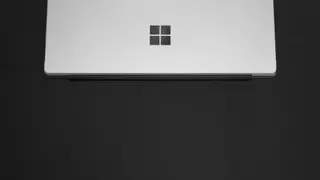
Microsoft introduced a new Surface Laptop Ultra that uses an Nvidia RTX Spark chip and can carry up to 128GB of unified memory. The device is designed to run advanced AI, video, and gaming tasks locally while still tapping cloud services when needed. The launch expands the two companies' partnership from data-center infrastructure into personal computers.
Microsoft says the Surface Laptop Ultra can hold as much as 128GB of unified memory, a capacity it argues lets the machine handle AI models beyond many other laptops. The system is presented as supporting hybrid AI, splitting tasks between on-device hardware and cloud models or infrastructure depending on cost, performance, and data-locality needs.
The launch also deepens a Microsoft-Nvidia alliance that began around Windows and programmable GPUs, later extending into Azure supercomputing used to train OpenAI's GPT models. Microsoft demonstrated the laptop running a game, GitHub Copilot, and video editing at once, and claimed faster AI image and video generation than a compared MacBook Pro.
The shift could affect creative professionals, developers, gamers, and businesses that use AI tools, potentially enabling faster local processing and keeping some sensitive data on-device. It may also influence PC purchasing decisions and cloud demand, though higher hardware costs and the need for hybrid cloud connections could limit adoption. Nvidia and Microsoft may strengthen their position in personal computing, while competitors could face pressure to offer similar local-AI capabilities.