How goods lifts and dumbwaiters can improve retail operations
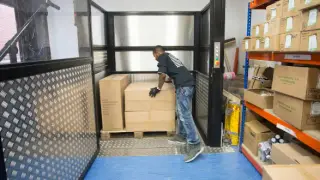
This promotional feature from Stannah explains how goods lifts and dumbwaiters help retailers move stock safely and efficiently between floors. It highlights benefits such as reduced manual handling, faster replenishment, and improved workplace safety. The article also notes that lifts can enhance accessibility and the shopper journey in multi-level stores.
Stannah’s promotional article, credited to Graham Mears, presents lift choices for shops. Its goods lifts are described as suitable for pallets, roll cages and trolleys, with strengthened cars and maximum loads as high as 2,000kg. Optional safeguards include gate interlocks, ramps and efficient drive systems; certain versions let two staff accompany loads.
Where stockrooms occupy separate levels, compact dumbwaiters can carry lighter items weighing no more than 100kg, cutting reliance on stairs. Passenger and platform lifts are said to enable step-free movement for disabled shoppers, those with mobility limitations, families using pushchairs and people carrying purchases. Escalators can supplement lifts by spreading customer traffic and lessening bottlenecks.
For retail workers, goods lifts and dumbwaiters may lower injury risks tied to repeated lifting and stair carrying. Shoppers with mobility needs, pushchair users and those with heavy bags could find multi-level stores easier to navigate if step-free options are installed. Retailers may see smoother restocking and less congestion, though benefits would depend on store layout, investment and maintenance. Wider uptake could gradually make shopping environments more inclusive and operations safer, but the scale of that effect remains uncertain.