Heat, Drought and Fire Pollution Are Weakening Tropical Forests, Studies Find
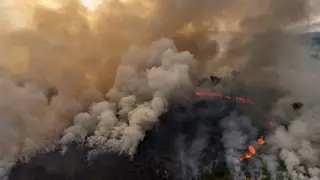
New research shows that extreme heat, drought and ozone pollution from fires are reducing the ability of the Amazon and other tropical forests to absorb carbon dioxide. One study found that ozone formed by wildfire and agricultural burning damages leaves far from the flames, cutting remaining trees' carbon uptake by an amount equal to about 24 percent of the carbon released by those fires. A second study warns that the severe heat and drought conditions seen in 2023 and 2024 could become nearly annual within 20 to 30 years, disrupting tropical forests' moisture cycles.
Tropical forests take up over a quarter of human-generated carbon dioxide yearly, exceeding 11 billion metric tons. In recent decades, however, larger forest areas have shifted toward net carbon release, particularly during heat and drought. New ozone research in Communications Earth & Environment shows that smoke from wildfires, farming, and land-clearing can form leaf-damaging ozone far from the flames.
That ozone lowers how much carbon surviving trees can absorb, roughly equal to 24 percent of what the fires released. A second study, in Earth’s Future, projects that severe heat and drought like 2023–2024 could become nearly yearly across many tropical regions within 20 to 30 years, potentially disrupting rain cycles.
If these trends continue, communities across tropical regions may face greater risks from reduced forest carbon storage, altered rainfall, and fire-related air pollution. Residents, including farming communities and city dwellers, could experience water shortages, crop stress, and health effects from smoke and ozone. Global climate efforts may also become harder if forests absorb less carbon dioxide, potentially affecting economies and food systems far beyond the tropics.