Childlike Design Aesthetic Gains Momentum in Furniture and Interiors
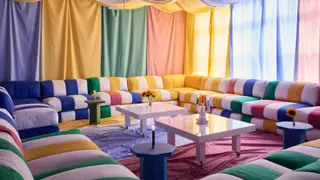
A trend called “elevated elementary” uses primary colors, simple shapes, and nostalgic references from childhood. Ceramicist Kelsey Malone’s Party Plates draw on Zoo Pals and Fiestaware, while Spring Bar in Manhattan incorporates magnetic alphabet letters into its decor. The article suggests this playful style is spreading across product, furniture, and interior design.
Kelsey Malone’s stoneware Party Plates combine compartmented forms, bright glazes, and memories of sorting trays, old TV dinners, animal-shaped disposable plates, and colorful Fiestaware. She marked the launch with a dessert gathering. At Manhattan’s Spring Bar, designer Adrián Gonzalez lined stainless-steel walls with classroom-style magnetic letters, describing the venue as a grown-up playground.
MoMA Design Store’s Chay Costello reports nostalgia strongly influences shoppers; Snoopy and Miffy night lights sell well, and the 2026 fall/holiday catalog features primary-hued lockers and Polaroid cameras. Earlier movements—De Stijl, German Expressionism, Pop art, and Superflat—also drew on youthful imagination, showing this impulse has returned before.
This trend may influence how homes, restaurants, and retail spaces feel, appealing to adults seeking comfort and playfulness. Designers, manufacturers, and retailers could respond with brighter colors, simple forms, and nostalgic products. Consumers might find such spaces whimsical or infantilizing, depending on context. The shift could also affect children’s and adults’ shared environments by blurring boundaries between play and daily life.