Cantwell unveils AI framework with federal safety testing role
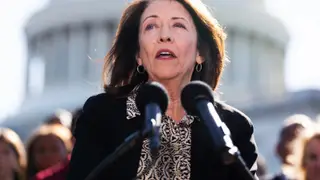
Senate Commerce ranking member Maria Cantwell released a six-point framework for regulating artificial intelligence that would give the federal government a major role in safety standards and testing. The plan would direct NIST to set standards for frontier models and require continuous testing and independent audits. It contrasts with the White House and some Republicans' preference for voluntary standards and self-regulation.
Cantwell, the top Democrat on Senate Commerce, issued a six-part proposal without bill language. It would task NIST with writing safety rules for cutting-edge AI, followed by ongoing government and outside testing plus independent compliance reviews. Developers would have to disclose risks and flag safety failures, including models improving themselves without human direction.
The plan differs from voluntary approaches favored by the administration and some GOP lawmakers. A committee aide said it may yield several bipartisan measures. Cantwell earlier backed a Young bill to formalize NIST’s AI standards center and voluntary testing. She is not negotiating Thune’s forthcoming AI bill.
If adopted, this framework could affect AI developers, auditors, and users by shifting safety oversight toward federal standards and testing. Companies may face compliance costs and clearer expectations, while the public could gain stronger safeguards against severe risks. Because it lacks bill text and bipartisan agreement, its practical reach may remain uncertain, especially if voluntary approaches prevail. State laws and international competitiveness could also be shaped by how Congress resolves these competing visions.